The skyline of every major city is dotted with cranes, scaffolding, and formidable temporary supports. Yet, despite their omnipresence, temporary structural engineering is often dismissed as a mere afterthought. This misconception can be costly, both in terms of project safety and budget. In the world of modern construction, where complexity and risk go hand in hand, the role of temporary structures is anything but optional.
Dispelling the Myth: Temporary Structural Engineering Is Just a Costly Add-On
Why Temporary Structures Are Integral, Not Optional
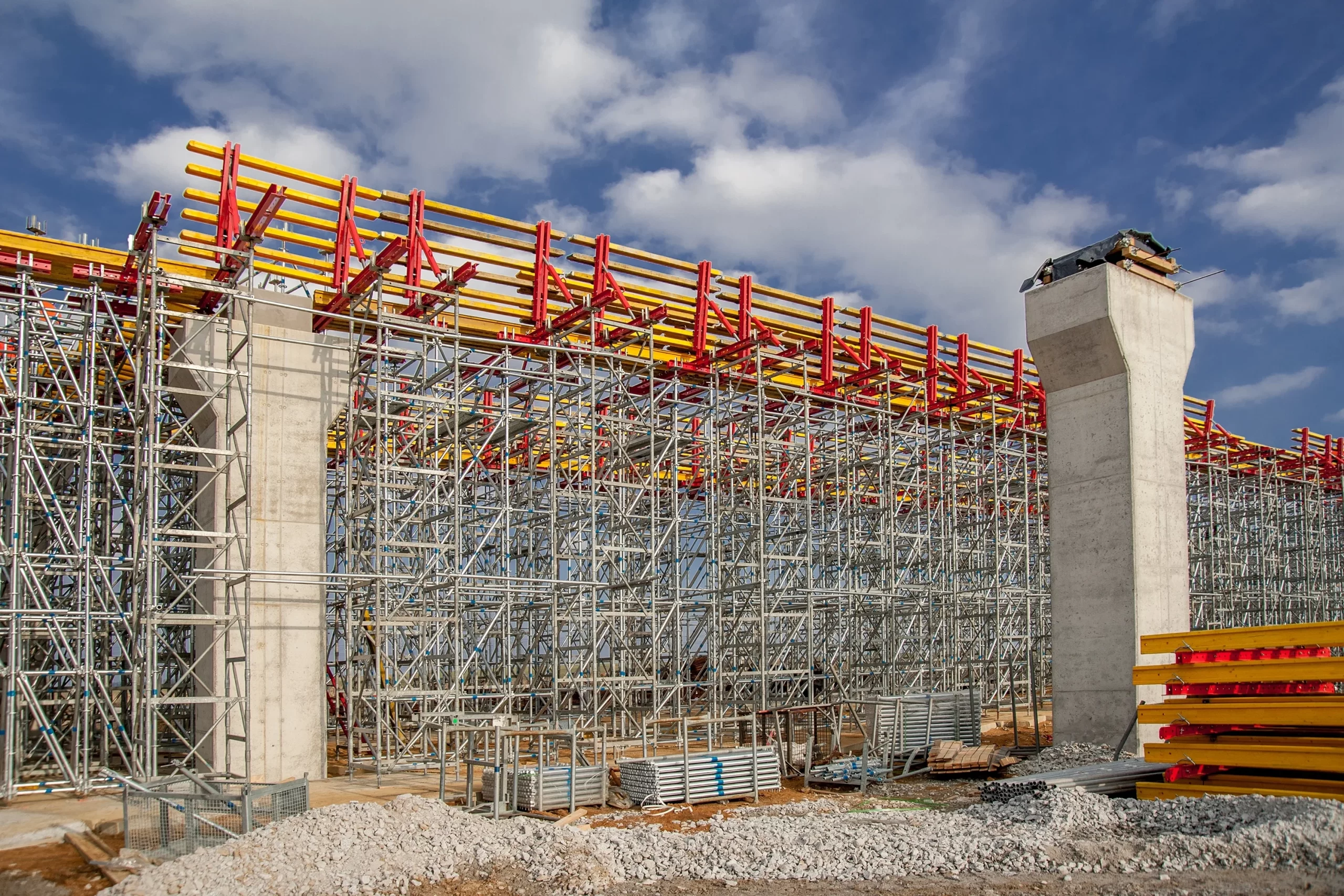
Strip away the temporary works from any ambitious construction project, and the entire process grinds to a halt. These supports enable the creation of complex designs, safeguard workers, and protect the public. Without tailored temporary solutions, modern construction would be stuck in the past, incapable of delivering the innovative forms that define today’s architecture. In reality, temporary structures act as the unsung backbone during the most vulnerable phases of a build.
The True Cost of Neglecting Temporary Supports
Decisions made to save money by cutting back on temporary works can backfire dramatically. When temporary supports fail, the consequences range from costly delays to catastrophic accidents. Investing in well-engineered temporary structures prevents overruns, claims, and, most importantly, loss of life.
Misconception: Temporary Structures Are Simple and Standardized
The Complexity Behind Custom Coffrages and Étaiement
It is tempting to assume that all shoring, formwork, or scaffolding can be pulled from a standard catalog. In practice, each construction site poses unique challenges, irregular ground, tight urban footprints, demanding weather, or unusual loads. Custom-designed coffrages (formwork) and étaiement (shoring) provide solutions precisely calibrated to the project’s needs. Cookie-cutter approaches rarely suffice on sophisticated builds.
Tailoring Solutions for Each Project’s Unique Challenges
Collaboration between engineers, contractors, and trade experts is crucial. The right temporary structure considers not only load management but also site logistics, sequencing, and changeable conditions. Flexibility is ingrained in every stage, requiring engineering expertise that goes far beyond “just put some supports here.”
Myth: Temporary Engineering Compromises Final Structural Integrity
How Temporary Supports Enhance Overall Safety and Quality
Some believe that temporary structures pose a risk to the final product. The opposite is true. Properly engineered temporary works prevent premature loading, minimize settlement, and keep the final structure undisturbed until it is ready to assume its own weight. This attention to temporary stability leads to better finishes, fewer defects, and a lower risk of long-term issues.
Case Studies Proving Enhanced Project Outcomes
Projects that invest in thoughtful temporary engineering frequently report smoother schedules and reduced accidents. For instance, bridge lifts, executed with precision-engineered supports, have a remarkable track record for on-time completion. The payoff? Fewer surprises and safer sites.
False Assumption: Temporary Works Are Only About Support During Construction
Multifunctional Roles: Access, Protection, and Environmental Control
Temporary structures are not just about holding things up. They provide access pathways for workers, shield sensitive equipment, and control dust, water, or temperature. Scaffolding, shelters, and containment systems protect both people and the environment, making them essential for regulatory compliance and community relations.
Innovations in Temporary Structures Beyond Basic Support
Today’s temporary engineering leverages smart materials, modular designs, and advanced monitoring systems. Rapid assembly, reusability, and adaptability are now standard, supporting sustainability and cost-effectiveness in ways that weren’t possible a decade ago.
Belief That Temporary Engineering Is Purely Passive and Reactive
Active Techniques in Soutènement Passif, Actif, and Bridge Lifting
Temporary works aren’t just about standing guard. Techniques like soutènement passif and actif (passive and active shoring) as well as bridge lifting involve real-time adjustments. Loads shift, ground conditions evolve, and the best solutions actively respond instead of waiting for problems to arise.
Proactive Risk Management and Structural Monitoring
Modern projects employ sensors and monitoring to detect changes in load or settlement, enabling preemptive action. This proactive stance reduces the risk of failure and underpins a culture of safety and accountability on site.
The Idea That Temporary Structural Engineering Is a One-Time Setup
Dynamic Adjustments and Continuous Engineering Throughout Construction
Temporary works require ongoing oversight. As the build progresses, supports are removed, relocated, or reinforced. Engineers routinely update plans based on site realities, ensuring stability from groundbreaking to handover.
Importance of Methodical Planning and Documentation
Robust documentation tracks every adjustment, providing a paper trail for future inspections and liability protection. This disciplined approach is a hallmark of sophisticated project management.
Overlooking the Regulatory and Compliance Importance of Temporary Works
Legal Requirements and Standards Governing Temporary Structures
Across jurisdictions, stringent codes govern the design and management of temporary structures. Compliance isn’t optional; it’s enforced by law to protect lives and property. Adhering to these standards guards projects against legal and financial repercussions.
How Compliance Protects Projects and Stakeholders
Demonstrating compliance reassures clients, insurers, and the public that risk is being managed responsibly. It also expedites permitting and fosters trust within the broader community.
Final Thoughts: Elevating Construction Sophistication with Temporary Structural Engineering
Integrating temporary works into the early stages of design unlocks project efficiencies and advances innovation. Forward-thinking firms look for partners with deep expertise in temporary engineering. Companies like NadeauSDM ingénieur structure temporaire have made it their mission to deliver tailored solutions that elevate both safety and creativity in construction.
Looking ahead, temporary structural engineering will only become more integral as technologies advance and projects grow in ambition. The buildings and infrastructure of tomorrow depend on the invisible, adaptable frameworks of today. Recognizing their value isn’t just smart, it’s essential.