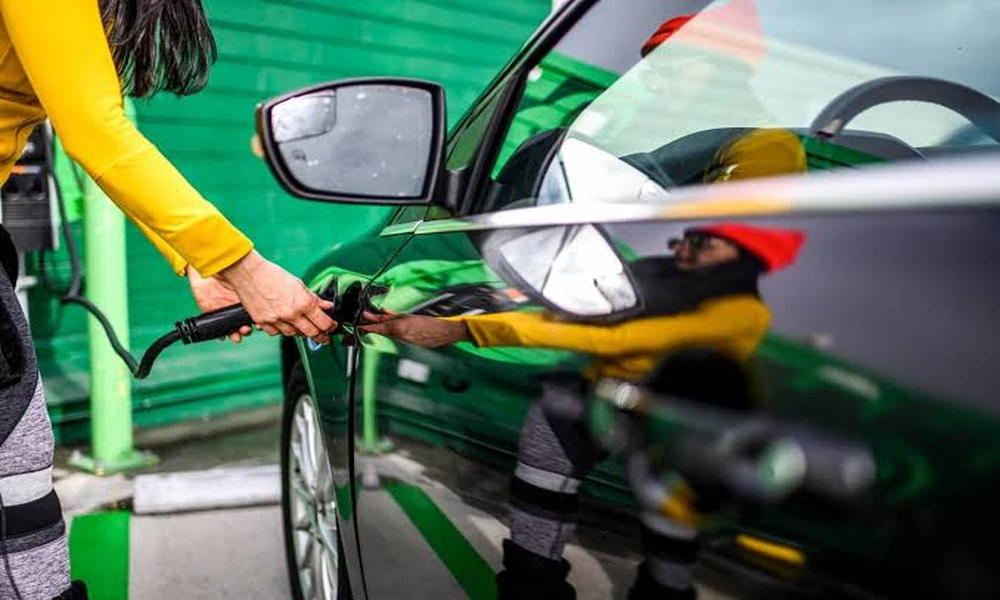
The global e-mobility market is growing fast. This change has changed the way we move things. Car makers, logistics companies, and people who move goods now have to follow new safety rules. Electric vehicles have big batteries. For this reason, they must follow Class 9 Miscellaneous Dangerous Goods rules. This is because there are risks like batteries getting too hot.
When you ship energy-heavy cargo across borders, there are more rules to follow. These rules are for dangerous goods, air travel, and moving things on ships. If you don’t follow these rules, you can get big fines at ports. Cargo may be turned away. The supply chain can also face many risks.
Using clear steps for shipping evs helps keep people safe. It makes sure the company meets all rules. It also helps cars get where they should on time when sent across borders.
1. Updated UN Classification Standard for E-Mobility
The right way to sort out hazards is to start by following rules for dangerous goods. Rules around the world say that you must use certain UN identification codes. These codes depend on the type of battery chemistry.
- UN 3556 (Lithium-ion Powered Vehicles): You will use this for cars, e-bikes, and scooters that run on lithium-ion cells.
- UN 3557 (Lithium-powered Vehicles): This label is for big equipment that uses lithium cells made with this kind of stuff in them.
- UN 3558 (Sodium-ion Powered Vehicles): This is for the vehicles that use sodium-ion cells. People say this way is safer and you can empty it all the way to zero volts.
Putting the right UN code on invoices and on papers for dangerous goods lets teams know the risk for chemicals when the goods are on the way. This helps them to do something fast if there is a problem.
2. Managing State of Charge (SoC) Protocols
For air freight and fast delivery networks, it is important to use State of Charge (SoC) rules. These rules help to stop heat problems when there are changes in pressure and temperature.
The 30% State of Charge (SoC) Rule
Under worldwide flight safety rules, any vehicle that has a cell bigger than 100Wh must be sent with a 30% State of Charge or less. If these vehicles get to an airport and their power is higher than this limit, they will be told to leave right away. They might also miss their flight, and there could be more fees for dealing with them.
Special Provisions & Exceptions
If you need to send the industrial or heavy-duty vehicle, and it has a high charge for technical reasons, you must get the right Special Provision approvals from civil aviation authorities before you give the freight.
3. Essential Documentation & Packaging Checklist
To make customs checks and rules easy, you need to have all your paperwork with you. Make sure each shipment has a full record of its safety features. This will help things go well and not cause problems.
| Document / Label | Regulatory Purpose | Key Requirement |
|---|---|---|
| UN 38.3 Test Summary | Proves the battery passed altitude, thermal, and short-circuit testing. | Must be linked via digital QR codes on the waybill. |
| Safety Data Sheet (SDS) | Details chemical hazards and emergency firefighting steps. | Must reference current international regulations. |
| Class 9 Hazard Label | Visually identifies miscellaneous dangerous goods on cargo exterior. | Must be clearly visible on packaging or vehicle chassis. |
| Cargo Aircraft Only (CAO) | Mandatory when unit watt-hour capacities exceed passenger limits. | Required for high-capacity industrial fleet transport. |
4. Standardizing the Operational Workflow
To build a freight pipeline that follows the rules, you need both hands-on checks and digital tracking. These two things work together to keep everything on track.
- Pre-Shipment Power Pack Discharging: Bring down the vehicle power packs to less than 30% SoC while the vehicle is still at the factory before you pack them.
- Digital Checking: Add the UN 38.3 summaries, SDS sheets, and SoC forms right in your carrier’s online shipping site.
- Environmental Sensor Monitoring: Put working heat and humidity sensors on high-value loads. Watch the real-time state during travel.
Having the same end-to-end transport workflow for shipping evs helps to lower risks that come with dangerous goods. It also helps you avoid customs delays. This will keep your international trade safe over time.