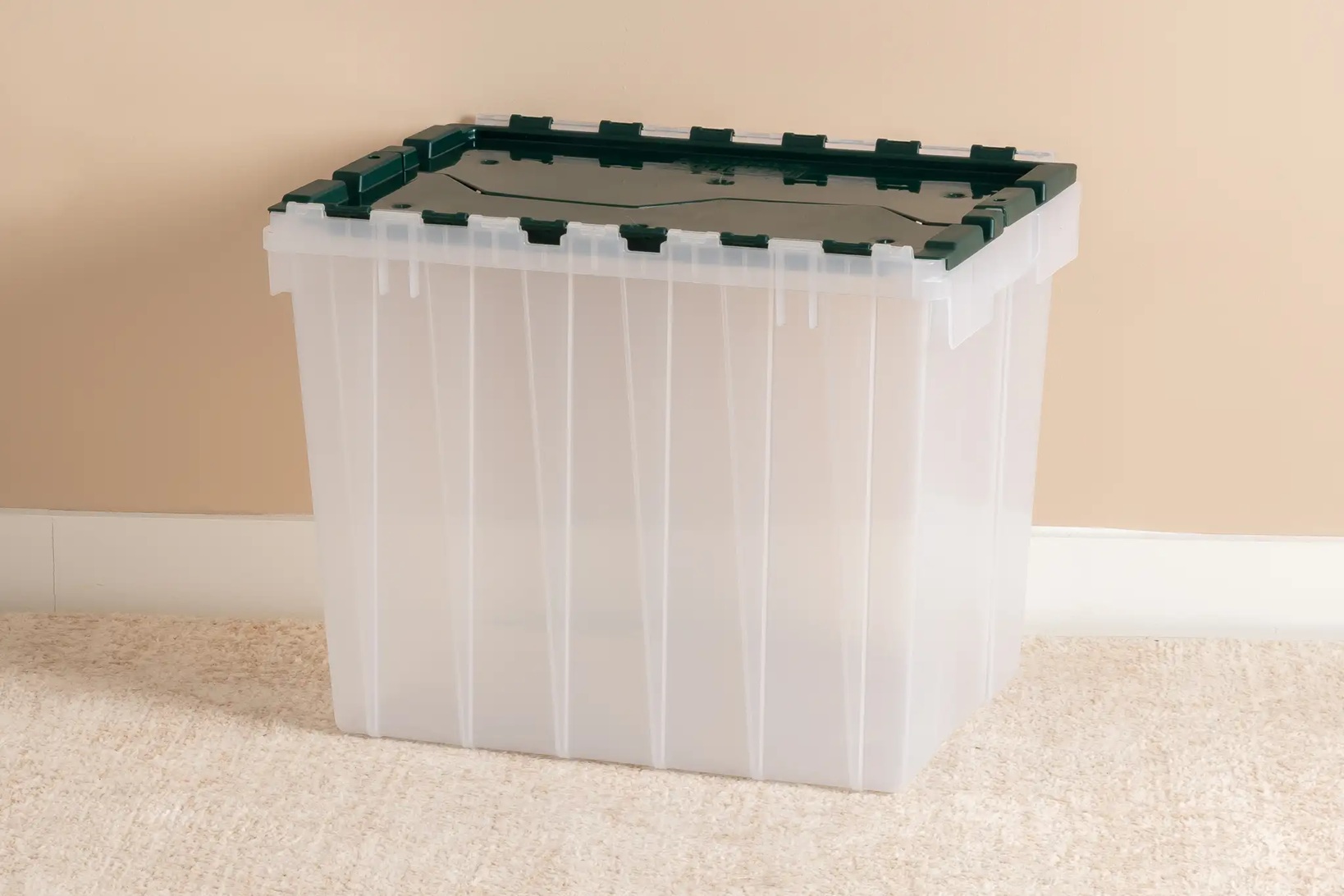
Whether you are storing leftovers, organising a workshop, or packing away seasonal decorations, a reliable plastic container with lid is one of the most versatile tools you can own. These unassuming storage essentials come in a remarkable range of sizes and configurations, each suited to a different task. Choosing the right one, however, requires a little thought.
This buying guide walks you through the key considerations – size, material, lid type, and intended use – so that every container you purchase earns its place in your home or workplace.
Understanding Common Sizes
Plastic containers with lids are typically measured in litres, and the range is broader than many people realise. Here is a general overview:
- Small (0.5 to 5 litres) – Ideal for spices, sewing supplies, screws, bolts, and small craft items.
- Medium (5 to 30 litres) – Suited for kitchen dry goods, bathroom toiletries, office supplies, and children’s toys.
- Large (30 to 80 litres) – Perfect for clothing storage, bedding, sports equipment, and bulk pantry items.
- Extra-large (80 litres and above) – Designed for garage storage, moving house, and commercial or industrial use.
Selecting the right capacity prevents two common mistakes: buying containers that are too small, forcing you to purchase more, and buying containers that are too large, wasting shelf space and making items harder to locate.
Matching Containers to Their Purpose
The best container for the job depends entirely on what you plan to store. Kitchen use demands food-safe plastics, typically marked with recycling codes 1, 2, 4, or 5. These materials do not leach harmful chemicals and are safe for contact with edible goods.
For garage and outdoor storage, heavy-duty plastic containers with lids are the better choice. Industrial-grade polypropylene resists impact, temperature fluctuations, and UV degradation. These containers endure rough handling and harsh conditions without cracking or becoming brittle.
Office and household organisation falls somewhere between these extremes. Medium-weight containers with snap-fit lids strike a balance between durability and affordability. They protect documents, photographs, and electronic accessories from dust and moisture without the premium price of industrial-grade options.
Lid Types and Their Advantages
The lid is arguably the most important component of any storage container. A poorly fitting lid defeats the entire purpose. Here are the most common types:
- Snap-on lids – Press firmly into place and create a basic seal. Easy to open and close, making them suitable for items accessed frequently.
- Clip-lock lids – Feature hinged clips that lock the lid tightly against a rubber or silicone gasket. These provide superior protection against moisture and pests.
- Screw-top lids – Common on smaller containers, particularly those used for food storage. They offer a reliable seal and are simple to operate.
- Hinged lids – Attached to the container body, these lids cannot be misplaced. They are popular in industrial and commercial settings.
For tropical climates such as Singapore’s, clip-lock lids are generally the wisest investment. High humidity can damage paper, fabric, and even metal tools, so a tight seal offers genuine peace of mind.
Material Matters
Not all plastic is the same. The two most common materials for storage containers are polyethylene and polypropylene. Polyethylene is slightly more flexible and resistant to cracking, making it a good choice for containers that will be moved or stacked regularly. Polypropylene is more rigid and tolerates higher temperatures, which matters for containers used near heat sources or in vehicles during summer.
Singapore’s founding Prime Minister Lee Kuan Yew once observed, “We had to make this work with what we had, and we did it by being practical.” That pragmatic spirit applies to storage choices too. Rather than reaching for the cheapest option on the shelf, consider what conditions the container will face and choose a material that matches.
A Practical Buying Checklist
Before heading to the shop or browsing online, answer these questions:
- What will you store? This determines the size, material, and lid type you need.
- Where will the container live? Measure the available space so your purchase fits properly.
- How often will you access it? Frequently used containers benefit from easy-open lids, while long-term storage suits clip-lock designs.
- Do you need stackability? Straight-sided containers with flat lids stack more efficiently than tapered designs.
- Is food safety required? Only purchase containers explicitly labelled as food-safe if they will hold edible goods.
Taking five minutes to consider these points will save you from returning unsuitable products and spending more than necessary.
Buying in Sets Versus Individually
Purchasing plastic storage containers with lids in sets often provides better value. Sets typically include a range of sizes designed to nest inside one another when empty, saving considerable cupboard space. They also ensure a uniform appearance, which contributes to a tidier, more organised look.
However, buying individually makes sense when you have a specific need. If you require one extra-large container for the garage, there is no reason to buy a set of six smaller ones. Balance economy with practicality, and you will build a collection that serves you well.
Caring for Your Containers
Proper care extends the lifespan of plastic storage significantly. Wash containers with warm soapy water before first use and periodically thereafter. Avoid abrasive scouring pads, which scratch surfaces and create hiding spots for bacteria. Store lids alongside their matching containers to prevent the frustrating hunt for a missing lid.
If a container develops a persistent odour from food storage, a paste of bicarbonate of soda and water left overnight usually resolves the issue. For stubborn stains, a brief soak in diluted white vinegar works well.
Making an Informed Decision
The right storage container is the one that fits your space, suits your purpose, and lasts for years without complaint. By understanding sizes, materials, and lid types, you can shop with confidence and avoid the common pitfalls that lead to wasted money and cluttered cupboards.
For those ready to explore high-quality options built for both domestic and commercial use, a dependable plastic container with lid from a trusted manufacturer is the foundation of a well-organised space.