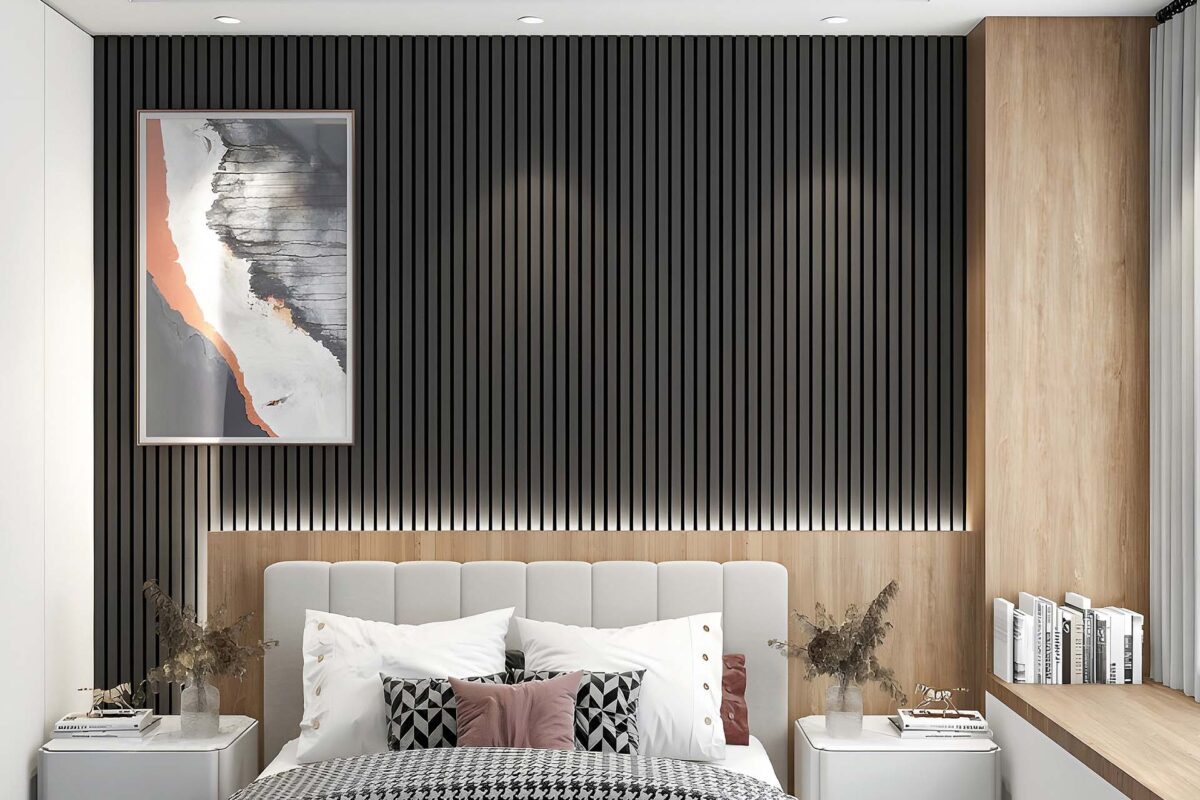
If you’ve ever walked into a room and felt like it was too noisy, echoey, or just uncomfortable, you’ve already experienced what happens when sound isn’t properly controlled. That’s where acoustical wall panels come in. These clever additions don’t just help reduce echo — they also improve speech clarity, create a sense of calm, and can even enhance a room’s design.
But not all panels are created equal, and the best choice depends on the type of room you’re treating. Choosing the wrong panel can leave the space still feeling echoey or over-damped, while the right one makes a dramatic difference. Here’s a guide to help you pick panels that match your room’s needs.
1. Understanding How Acoustical Panels Work
Before choosing a panel, it’s worth understanding the basics. Acoustical panels are designed to absorb sound waves, preventing them from bouncing around the room.
Different materials absorb different frequencies. For example:
- High frequencies (like voices or clattering dishes) are easier to absorb and can be handled by most panels.
- Low frequencies (bass from music or air conditioning hums) are harder to control and require denser or specially designed panels.
Knowing which frequencies are most problematic in your room helps you choose panels that will actually make a difference.
2. Living Rooms and Family Spaces
Living rooms are often filled with hard surfaces (wooden floors, glass tables, tiled walls), which reflect sound easily. Echo can make conversations tiring and TV sound less clear.
Best panels for living rooms:
- Fabric-wrapped panels: They are stylish and come in colours and textures that blend with furniture.
- Felt panels: Lightweight and easy to mount, adding warmth and softness to the space.
Placement tips:
- Behind the sofa
- On the walls opposite the speakers or the TV
- Near first reflection points, such as walls adjacent to seating areas
Even a few well-placed panels can significantly reduce echo and make your living space more comfortable for conversations and media.
3. Bedrooms and Private Spaces
Bedrooms are meant to be retreats, but small apartments or shared walls can make noise intrusive. Echo in a bedroom is subtle, but it can still disturb sleep or make the room feel less relaxing.
Best panels for bedrooms:
- Soft felt or fabric panels: They absorb echo without making the room feel heavy.
- Thicker panels: For rooms that pick up low-frequency sounds from neighbours or appliances.
Placement tips:
- Behind the bed’s headboard
- On walls opposite windows or reflective surfaces
- Along any long, flat walls where sound tends to bounce
Panels in bedrooms don’t need to cover every wall. Strategic placement can make the room feel calmer and more serene.
4. Home Offices and Workspaces
In home offices or small offices, acoustical wall panels serve a dual purpose: improving sound for calls and meetings, and creating a more professional, focused environment. Echo can make conference calls frustrating, and background noise distracting.
Best panels for offices:
- Fabric-wrapped panels: Look professional and absorb a wide range of frequencies.
- PET felt panels: Lightweight and available in modern designs, making them suitable for small rooms.
Placement tips:
- Behind the desk, especially where microphones are positioned
- On walls facing windows or glass surfaces
- Around meeting or collaboration areas in larger offices
Using panels strategically in offices makes video calls clearer and reduces fatigue caused by constant background noise.
5. Studios, Recording Rooms, and Creative Spaces
Studios require precise sound control. Echo, reflection, and uneven frequencies can ruin recordings or distort music. For these spaces, acoustical wall panels are essential.
Best panels for studios:
- High-density panels: Absorb both high and low frequencies effectively.
- Combination of foam and fabric-wrapped panels: Foam for high-frequency absorption, fabric panels for broader balance.
Placement tips:
- First reflection points beside and behind speakers or performers
- Corners, to trap bass build-up
- Around listening positions and walls opposite instruments
In studios, even small adjustments can dramatically improve sound clarity and make recordings more professional.
6. Commercial and Public Spaces
Conference rooms, lobbies, classrooms, and restaurants often have hard surfaces and open layouts. Sound can travel far, creating echoes and making conversations or announcements difficult to hear.
Best panels for commercial spaces:
- Fabric-wrapped panels: Blend with professional décor
- Wood slat panels with acoustic backing: Add elegance while improving sound
- Large modular panels: Cover more surface area efficiently
Placement tips:
- Along long walls and high-traffic corridors
- On ceilings, if noise is bouncing overhead
- Around meeting or dining areas for better clarity
Panels in these settings improve comfort, reduce stress from noise, and can even become part of the interior design statement.
Tips for Choosing the Right Panels
- Identify the main problem: Is it echo, low-frequency rumble, or background chatter?
- Match panel type to room: Fabric, felt, foam, or wood finishes, depending on performance and style.
- Plan placement carefully: Focus on first reflection points, corners, and large flat walls.
- Don’t overdo it: A few well-placed panels are often better than covering every wall.
- Consider aesthetics: Especially in living or commercial spaces, panels can be functional and decorative.
Final Thoughts
Choosing the right acoustical wall panel isn’t just about reducing noise — it’s about creating a room that feels comfortable, functional, and even stylish. Each type of room has its own challenges, from echo in a living room to low-frequency hum in a bedroom or studio. Understanding your space and its needs helps you pick panels that actually work.
With the right choice, a few panels can transform the feel of a room, making conversations easier, calls clearer, and daily life more enjoyable. In the end, acoustical wall panels are a small investment that can make a big difference in comfort and productivity.