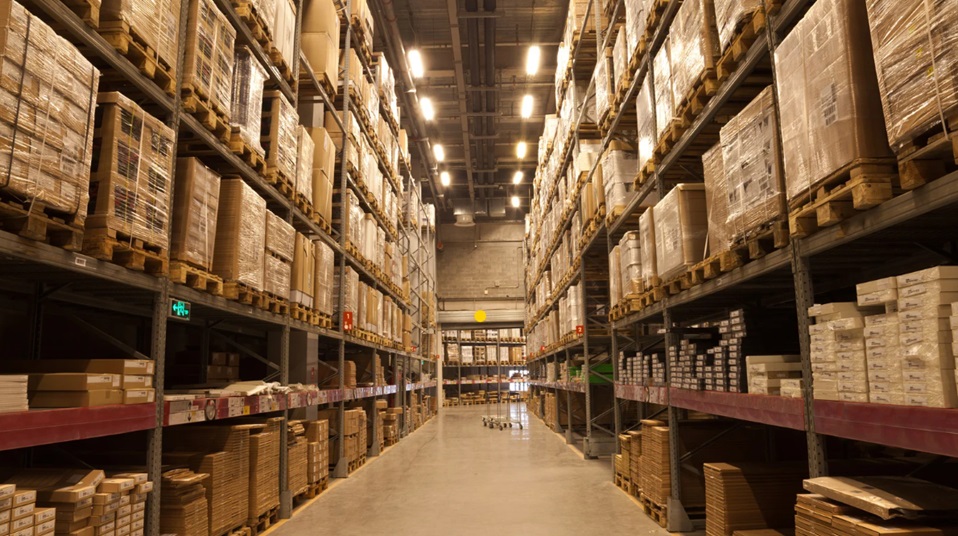
Managing a modern distribution center demands more than just shelving—it requires end-to-end warehouse solutions that tie together storage, tracking, and reporting. When all components—from racking and decking to software and inspection protocols—work in harmony, you gain real-time insights into stock levels, slashing errors, and stockouts. Integrated systems streamline workflows, reduce manual counts, and boost operational transparency at every stage of the supply chain.
Unified Infrastructure for Reliable Data
At the foundation of accurate inventory lies a robust physical setup. By ensuring racks and shelves are regularly maintained, and one must know how often warehouse racking should be inspected for safety and efficiency, you prevent misreads and skewed cycle counts caused by damaged beams or misaligned pallets. Scheduled inspections—paired with barcode or RFID scan points—ensure that what’s on the shelf matches what’s in the system.
Seamless Technology Integration
A truly integrated solution connects your warehouse management software (WMS) with material-handling equipment:
- Automated data capture: Handheld scanners or RFID readers instantly update stock movements as pallets are loaded or picked.
- Real-time dashboards: Live visibility into incoming and outgoing shipments prevents overselling and allows dynamic reallocation of space.
- Alerting mechanisms: Threshold triggers notify managers when counts fall below safety stock or when discrepancies arise.
This technology layer transforms passive racking into an active participant in your inventory control process.
Optimized Storage with Diverse Rack Types
Different products call for different rack designs. Integrating multiple rack styles—selective pallet racks, drive-in systems, and flow-through solutions—lets you zone inventory by turnover rate. Combining these configurations with insights on leveraging warehouse storage racks for faster order fulfillment ensures that high-velocity SKUs are always within easy reach while bulk or seasonal items occupy deeper, dense storage lanes.
A small paragraph to bridge the concept of dynamic storage zoning and visibility.
Layering physical zoning with digital location codes helps workers pick accurately and reduces the time spent searching for misplaced goods.
Continuous Improvement Through Analytics
Integrated platforms collect vast amounts of data—pick times, dwell rates, and stock discrepancies. Analyzing these metrics reveals process bottlenecks and training gaps. For example:
- Cycle count variance reports pinpoint problem zones or equipment failures.
- Throughput analyses show whether certain rack lanes slow down picking or affect replenishment.
- Audit trails document every adjustment, simplifying root-cause analysis during discrepancy investigations.
By acting on these insights, you can refine racking layouts, adjust inspection schedules, and improve overall warehouse performance.
Conclusion
Integrated warehouse solutions bridge the gap between physical storage and digital inventory management. Through regular rack inspections, synchronized WMS integrations, tailored rack configurations, and data-driven analytics, you achieve unparalleled accuracy and visibility. The result is fewer stock errors, faster order fulfillment, and leaner operation poised for growth. With every component working in concert, your warehouse transforms from a static storage area into a dynamic, transparent distribution hub.