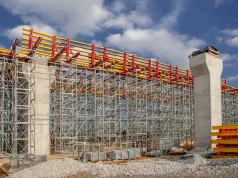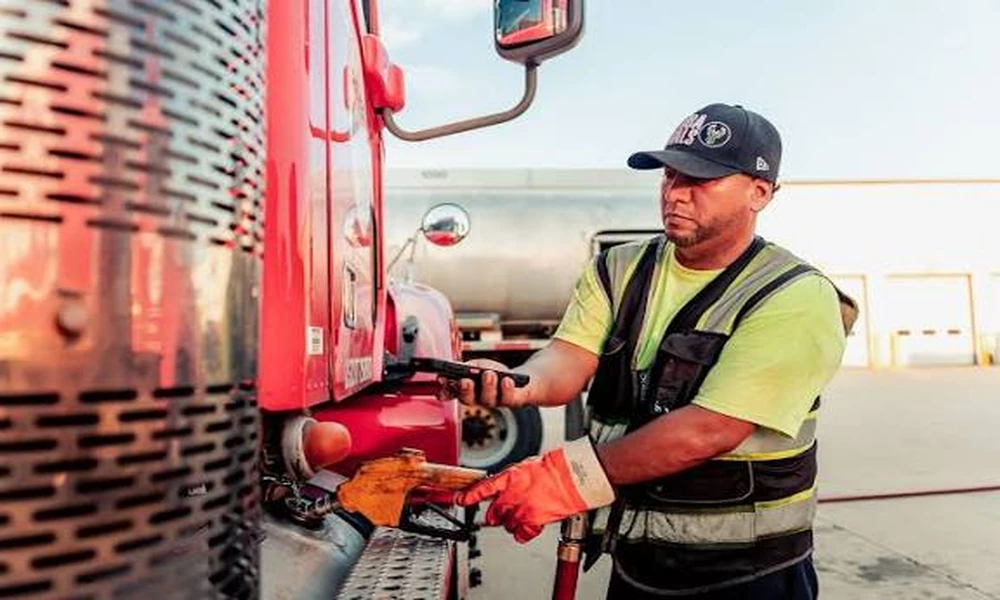
Construction projects depend on a steady supply of fuel to keep daily tasks moving. Delays in refilling equipment can interrupt work and affect planned deadlines. On-site fuel delivery allows suppliers to bring fuel directly to the work area. This service reduces unnecessary trips and helps teams manage their time better. With proper scheduling and safe storage practices, construction businesses can maintain equipment readiness while controlling operating costs. Reliable supply planning also supports smoother coordination between workers and project managers.
How Does Direct Fuel Supply Save Time?
Direct delivery reduces travel to refilling stations. Workers can focus on assigned duties while equipment receives fuel according to planned schedules. This helps limit interruptions during busy shifts.
How Can Better Fuel Planning Help?
Effective fuel management combines timely delivery with careful tracking and safe handling. Businesses seeking additional supply information can learn more about colorado fuel supply to explore relevant service details and planning considerations.
Can Scheduled Refills Prevent Work Delays?
Planned refills help maintain enough fuel for daily tasks. Managers can arrange deliveries before supplies run low and avoid unexpected interruptions during important operations.
Why Is Better Equipment Readiness Important?
Fuel availability supports regular equipment use throughout scheduled working hours. Teams can prepare machinery ahead of time and reduce waiting periods caused by empty tanks.
What Should Businesses Review Before Ordering?
Before selecting a service, managers should assess consumption rates and storage capacity. Comparing supplier terms helps identify an arrangement that meets operational needs.
– Calculate average daily fuel use.
– Confirm safe storage capacity.
– Discuss delivery timing with suppliers.
– Review charges and payment terms.
– Set a process for checking deliveries.
How Can Managers Improve Daily Planning?
Managers can coordinate fuel orders with work schedules. This approach helps teams estimate daily needs and arrange suitable delivery times without disrupting planned activities.
Can Direct Supply Support Worker Productivity?
When fuel reaches the work area, employees spend less time arranging refills. They can concentrate on assigned tasks and maintain steady progress during shifts.
What Makes Supply Scheduling More Reliable?
Clear communication between suppliers and site managers helps prevent missed deliveries. Regular checks of fuel levels also make it easier to arrange timely replenishment.
How Can Businesses Manage Fuel Inventories?
Keeping accurate records helps managers track usage and estimate future requirements. Simple inventory checks can prevent shortages while reducing the risk of ordering excessive quantities.
Does On Site Service Improve Cost Control?
Fuel records allow businesses to compare expected consumption with actual use. These details help identify waste and support better spending decisions across ongoing projects.
Which Safety Steps Should Teams Follow?
Safe handling protects workers and helps prevent spills. Every site should follow approved procedures for storage and refilling.
– Keep fuel containers in approved storage areas.
– Check tanks and hoses for visible damage.
– Restrict access to authorised workers.
– Keep ignition sources away from fuel.
– Train staff in spill response procedures.
Construction businesses benefit from a dependable supply process supported by accurate records and safe handling. Managers should assess demand regularly, coordinate orders with work schedules, and choose suppliers with clear service terms. These steps help reduce avoidable delays while supporting responsible spending. For further guidance on supply options and delivery planning, learn more about colorado fuel supply.