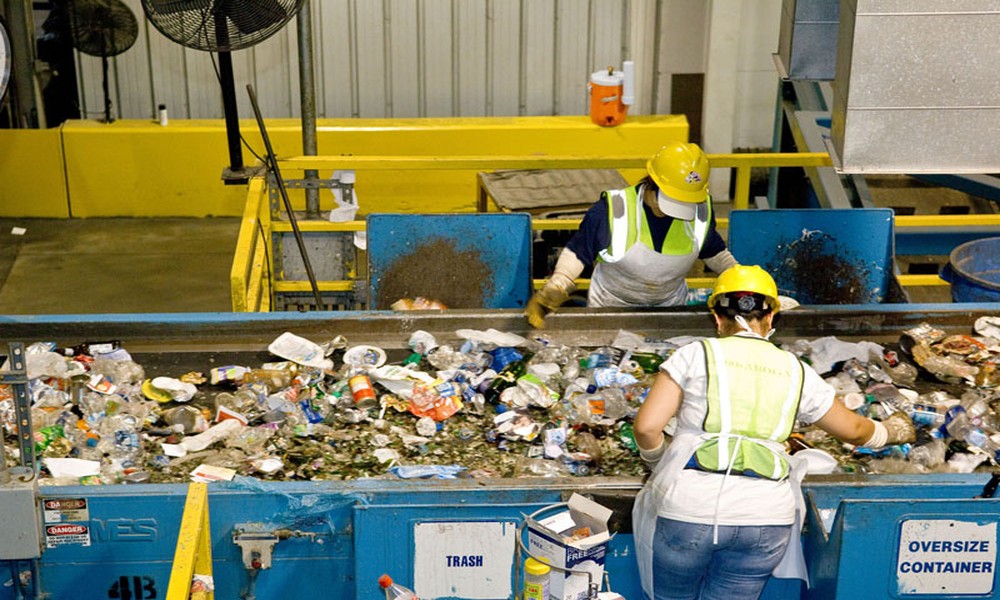
Plastic recycling Singapore solutions are not simply a response to the plastic waste problem of today, they are a foundational element of the greener, more resource-efficient future that Singapore has committed to building. As the nation approaches its Zero Waste Masterplan milestones and aligns its economy with global sustainability expectations, plastic recycling has moved from the margins of environmental policy to its centre.
Singapore’s Green Future: What It Actually Requires
The Singapore Green Plan 2030 and the companion Zero Waste Masterplan set specific and ambitious targets for waste reduction and recycling. Among the commitments is a goal to reduce the amount of waste sent to Semakau Landfill per capita per day by 30 percent by 2030. Given that plastic is one of the most voluminous components of Singapore’s waste stream, achieving that reduction requires a step change in how plastic is collected, sorted, processed, and reused.
This is not aspirational language. It represents a concrete trajectory that will increasingly be backed by regulation, procurement requirements, and market expectations. Businesses and individuals who engage with plastic recycling Singapore solutions now are building the habits and infrastructure that will serve them well as those expectations intensify.
Chemical Recycling: The Frontier of Plastic Recovery
Mechanical recycling – the process of shredding, washing, and re-pelletising plastic – has been the dominant approach to plastic recovery globally. But mechanical recycling has limits. It cannot handle heavily contaminated material, mixed polymers, or multi-layer packaging without significant quality loss.
Chemical recycling, which breaks plastic down to its molecular building blocks through processes such as pyrolysis, gasification, or depolymerisation, represents the frontier of plastic recovery technology. These methods can handle material streams that mechanical recycling cannot, producing outputs that can be used as fuel, chemical feedstocks, or inputs for new plastic production.
Singapore has been actively investing in and trialling chemical recycling solutions, recognising that mechanical recycling alone cannot achieve the recovery rates needed for a genuinely circular plastic economy. As this technology matures, the range of plastic waste that can be responsibly recovered will expand significantly.
Innovation in Recycled Plastic Products
One of the most encouraging developments in the global plastic recycling sector is the expanding range of products that incorporate recycled plastic content. Beyond the traditional applications in pipes, containers, and packaging, recycled plastic is now being used in:
- Building materials including composite decking, roofing tiles, and insulation boards
- Textile fibres for clothing, sportswear, and upholstery
- 3D printing filaments for prototyping and manufacturing applications
- Urban furniture including benches, bollards, and playground equipment
- Road construction materials, where plastic waste is used as a bitumen additive
Each new application creates additional demand for recycled plastic material, strengthening the economics of collection and processing and providing greater certainty for the recycling industry.
As Minister Grace Fu has stated about Singapore’s sustainability transition, “We are building an economy where growth and environmental responsibility go hand in hand – where the innovations that help us live more sustainably also create new industries and new jobs.” The recycled plastics sector is a compelling example of that vision made tangible.
The Importance of Market Development
The effectiveness of plastic recycling Singapore solutions ultimately depends on the existence of viable end markets for recycled material. Collecting and processing plastic generates no environmental benefit if the resulting material cannot be sold and used.
Developing domestic end markets for recycled plastic – through public procurement policies that specify minimum recycled content in government projects, through industry standards that define quality requirements for recycled feedstocks, and through incentives for manufacturers to incorporate recycled content – is as important as building collection and processing capacity.
Singapore has recognised this through the development of standards for recycled content and through the inclusion of circular economy principles in its industrial and procurement policies.
Youth and Community Engagement: Building Long-Term Culture
A greener future requires not just better infrastructure but a cultural shift in how Singaporeans relate to the materials they use and discard. Engaging young people through school programmes, community recycling events, and creative challenges that illustrate the value of recovered materials builds the long-term habits that sustain high recycling rates.
Companies and organisations that involve their employees and communities in plastic waste recovery initiatives find that participation rates are higher when people understand the full journey – from the plastic they discard to the product it becomes.
The Economic Opportunity in Singapore’s Green Transition
Singapore’s position as a regional hub creates an opportunity to become a centre of excellence for plastic recycling technology and services in Southeast Asia. The region generates enormous volumes of plastic waste and has limited processing infrastructure. A Singapore-based recycling industry with advanced processing capability, reliable supply chains, and strong regulatory governance could serve not just the domestic market but the broader regional need.
This is the kind of opportunity that Singapore has historically excelled at identifying and developing – building world-class infrastructure in a niche where geography, governance, and expertise combine to create a competitive advantage.
Taking Action Now
For businesses, the imperative to act on plastic recycling is clear. Regulatory requirements will tighten, customer expectations will rise, and the window for voluntary early adoption will narrow. Organisations that establish genuine, documented plastic recycling programmes today build a track record, develop internal capability, and contribute to the infrastructure development that a greener Singapore requires.
For individuals, the actions are simpler but no less important. Recycling correctly, reducing unnecessary plastic consumption, and supporting businesses and brands that demonstrate a genuine commitment to recycled content and responsible waste management all contribute to the same goal.
Plastic recycling solutions in Singapore for a greener future are available, proven, and expanding in capability and reach. The question for every organisation and household is not whether to engage with them, but how quickly and how seriously to do so.