Construction sites are notoriously noisy. From jackhammers and concrete cutters to reversing alarms and heavy-duty machinery, the cacophony can be overwhelming, not just for workers but for residents, businesses, and even hospitals in the vicinity.
That’s why noise barriers are no longer a luxury—they’re an operational necessity. But slapping up some panels and calling it a day won’t cut it. If you’re serious about reducing the impact of construction noise, you need to approach noise barrier installation with strategy, care, and a clear understanding of your site conditions.
So, what should you consider before putting up noise barriers for construction sites?
1. Understand the Source and Type of Noise
Before anything goes up, ask yourself: What kind of noise are we trying to control?
Is it high-pitched drilling? Heavy low-frequency rumble from excavators? Or general site clatter?
This matters because different noises require different sound control treatments:
- High-frequency sounds (e.g. sawing, shouting) are easier to block.
- Low-frequency vibrations (e.g. pile driving, machinery) are harder to contain and require denser materials or layered barriers.
Mapping the noise sources on your site also helps determine the optimal placement and height of the barriers.
2. Know Your Surroundings
Not all construction sites are created equal. A high-rise project in a dense residential area requires a very different noise management plan than a site tucked away in an industrial zone.
You should consider:
- Proximity to schools, homes, hospitals, or offices
- Elevation of surrounding buildings (Will higher floors still be exposed to noise?)
- Time of day when work will occur (Night works often require stricter measures)
- Regulatory restrictions in your area, including decibel limits and approved work hours
In cities like Singapore, local regulations by the NEA (National Environment Agency) may even specify when noise barriers are required for certain activities or zones.
3. Choose the Right Barrier Type and Material
The market is full of noise barrier options, but they’re not all built equal. You’ll want to weigh up your choices based on the site’s needs, timeline, and budget.
Common types include:
- Mass-loaded vinyl (MLV) sheets – Lightweight and flexible, great for temporary works or mobile barriers.
- Composite acoustic panels – Combine sound-absorbing foam with reflective layers for double-duty performance.
- Steel or timber hoarding with acoustic lining – Best for long-term projects with higher noise output.
Key features to look for:
- Density and mass (the heavier, the better at blocking sound)
- Weather resistance (important for long-term outdoor use)
- Fire-retardant rating (especially in tight urban areas)
- Modularity and ease of installation
Tip: For particularly noisy operations like piling, double-layered barriers or enclosures may be necessary.
4. Barrier Height and Placement Matter
Height is one of the biggest factors in determining a barrier’s effectiveness. A barrier must break the line of sight between the noise source and the receiver (nearby homes or streets). Generally:
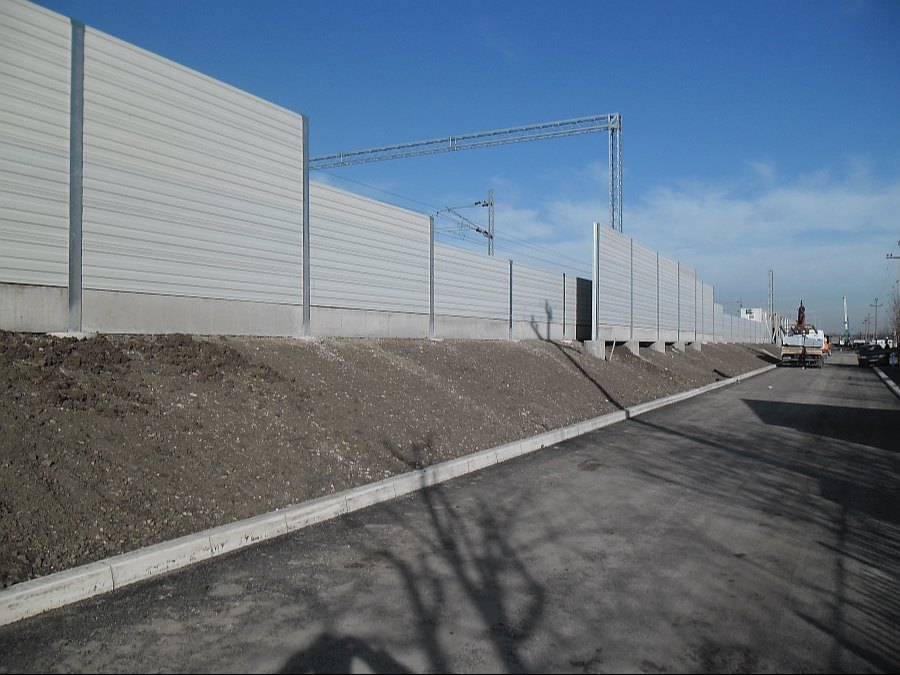
- 2 to 4 metres is standard for most works.
- Higher barriers (5m or more) may be needed for large machines or elevated sources.
Equally important is distance—barriers should be positioned as close as possible to the noise source. Placing them too far away significantly reduces their impact.
If your site is on a slope or surrounded by high-rise buildings, consider angled barriers or multi-level solutions to prevent sound from simply travelling over the top.
5. Installation and Stability
Let’s not overlook the practical side: barriers must be safe and secure, especially in exposed, windy environments.
- Use ballasts or anchoring systems to prevent panels from tipping.
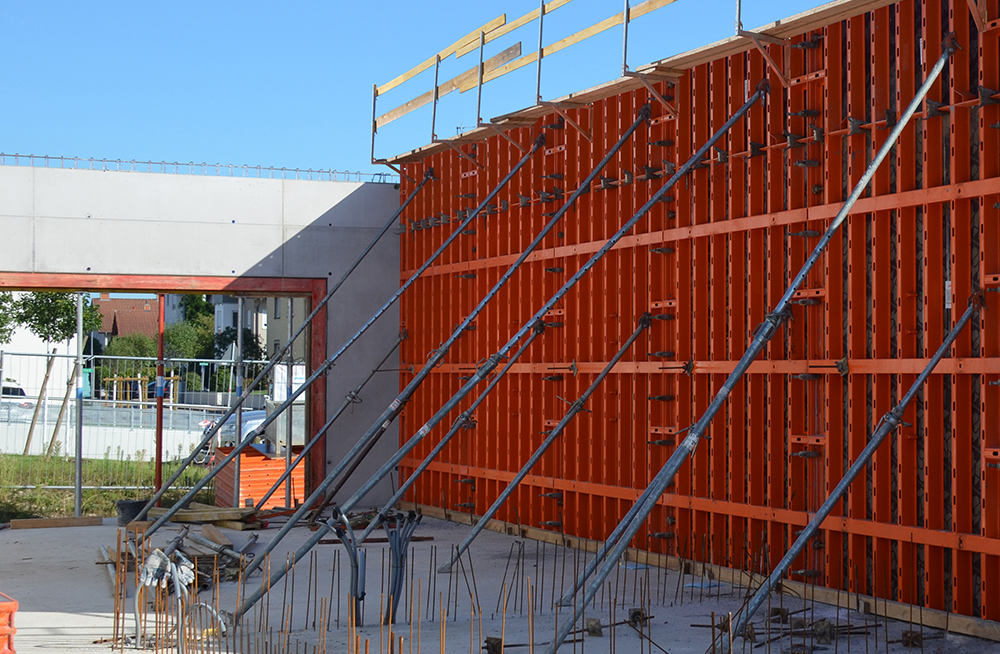
- For taller barriers, bracing frames or wind-resistant designs are recommended.
- Make sure installation doesn’t interfere with site access, emergency exits, or workflow.
Most importantly, don’t leave gaps—even small openings can allow sound to pass through and undermine the entire setup.
6. Regulatory Compliance and Community Expectations
Many urban construction sites must meet legal noise limits, usually measured in decibels over set periods of time. Breaching these limits can result in fines, stop-work orders, or reputational damage.
Besides the legal side, managing public perception is just as important:
- Inform nearby residents about noise mitigation efforts.
- Use signage on the barriers to show your commitment to minimising impact.
- Offer contact details for feedback or noise complaints.
Proactively managing noise shows responsibility and can even improve your relationship with the community.
7. Maintenance and Monitoring
Installing barriers is not a one-and-done task. You need to:
- Inspect them regularly for damage, gaps, or sagging.
- Replace worn or torn sheets before they become ineffective.
- Monitor noise levels on-site and at property boundaries to assess performance.
Some projects now use real-time noise monitoring systems with alerts when levels exceed thresholds. This not only helps with compliance but also lets you adjust your operations quickly to avoid issues.
8. Decommissioning and Sustainability
If your noise barriers are reusable, make a plan for careful decommissioning and safe storage. Damaged panels should be recycled or responsibly disposed of.
Choosing eco-friendly materials—like recycled PET or timber from certified sources—can also boost your ESG credentials and reduce waste.
Final Thoughts
Installing noise barriers on construction sites isn’t just a box-ticking exercise. Done right, it’s a strategic, community-focused effort that protects your workers, your neighbours, and your project timeline.
By understanding your environment, choosing the right barrier systems, and committing to maintenance and monitoring, you’ll not only meet the standards—you’ll set them.
Because in construction, it’s not just about building the future. It’s also about minimising the disruption today.