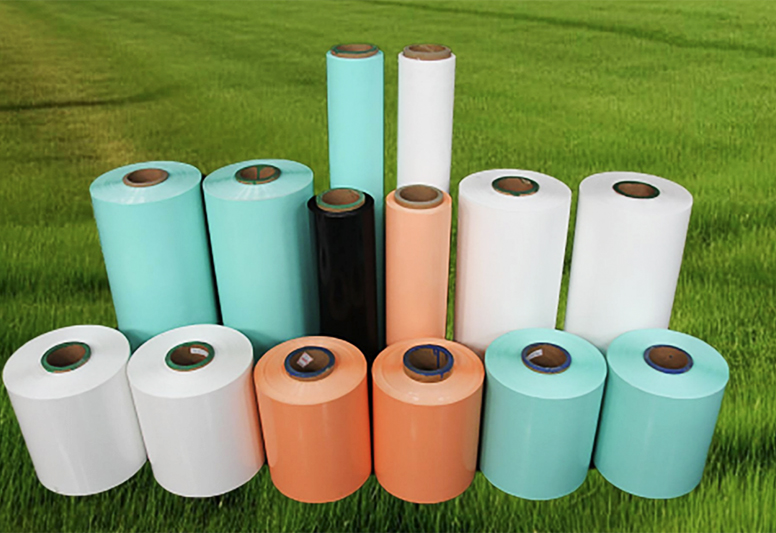
Well-organized storage of harvested forage plays a main role in preserving its value for livestock feeding. Modern packaging approaches have transformed how farmers guard fodder by dropping spoilage, maintaining superiority, and preventive waste. Using the correct material guarantees durability during different climate conditions and prevents contamination from air or moisture. These smart techniques are improving productivity by extending the usable life of stored feed, offering farmers dependable results from each harvest through reliable bale wrap film suppliers.
Improved Forage Preservation Methods
Enhancing feed preservation involves wrapping bales quickly after collection to maintain nutrients. Quality wrapping material seals the forage tightly, reducing exposure to oxygen. This process limits the growth of unwanted microorganisms that can damage the stored feed. Farmers now rely on advanced wrapping techniques to keep feed fresh for longer periods.
- Moisture levels stay stable through airtight sealing.
- Freshness is maintained by reduced air contact.
- Quality remains higher for extended storage time.
- Contamination risks stay lower in properly sealed bales.
- Waste is reduced due to well-protected forage.
Efficient Use Of Wrapping Material
Proper use of wrapping film minimizes excess layers and resource wastage. Farmers apply even tension during wrapping to avoid air gaps that cause spoilage. Uniform layers enhance protection and maintain bale shape during storage. Many producers choose strong film types that resist punctures, improving durability through different seasons.
- Fewer film layers save material and effort.
- Even wrapping helps prevent damage.
- Tighter seals stop oxygen entry.
- Strong material withstands outdoor conditions.
- Less waste creates cleaner storage.
Role Of Technology In Wrapping
Modern tools have simplified bale wrapping with faster, precise operations. Machines now control stretch and tension for consistent sealing, reducing the need for manual checking. This uniformity results in better preservation and less spoilage across all stored fodder. Farmers working with bale wrap film suppliers benefit from better machine compatibility for diverse film sizes and qualities.
Sustainable Farming Through Reduced Waste
Eco-conscious agricultural focuses on reducing waste while keeping production effective. Using recyclable wrapping material supports this effort by cutting environmental strain. Properly sealed bales prevent feed loss that would otherwise lead to wasted resources. Sustainable choices in wrapping methods help maintain soil health and minimize carbon release.
Quality Maintenance During Storage
Good storage practice ensures bales stay in shape and condition until use. Bales should be positioned on dry areas away from sharp things that may pierce the film. Consistent checks support identify and fix any small tears before they worsen.
Reliable wrapping performs support productive dairy farming by dropping losses and protecting feed. Choosing high-quality materials and applying them correctly helps maintain a reliable fodder supply for livestock. Sustainable wrapping methods promote better efficiency with minimal waste and longer storage value.
FAQs
What is the purpose of bale wrap film?
It protects stored forage from moisture and air exposure.
How does wrapping reduce spoilage effectively?
It blocks oxygen entry and stops harmful microbial growth.
Why choose good bale wrap film suppliers?
They provide quality materials that ensure long-lasting storage safety.